
Every comparative gage — snap gage, bore gage, groove gage — measures the difference between your part and a reference. The reference is the set master. If the master is wrong, every “good” part you passed is suspect. Here’s how masters work and how to build them into your routine.
What a set master is
A set master is a precision reference — a disc, ring, or adjustable fixture — made to a known size, used to zero an indicating gage before measuring. You master the gage, the dial reads zero at nominal, and every part reading is a direct plus/minus from that.
Why gages drift
Contact wear, temperature swings, a dropped gage, arm changes — all shift zero. A gage that was dead-on this morning can be a few tenths off after lunch. Re-mastering takes seconds and catches the drift before it ships bad parts.
The main types
- Master discs for OD gages like snap gages: Series 801 master discs in steel or chrome.
- Master rings for ID gages: Series 800 ring gages master bore and groove gages under the same conditions they measure in.
- Universal set masters: universal bore gage set masters cover large and small diameters with one adjustable fixture instead of a drawer of discs.
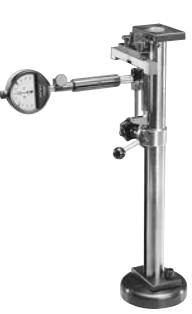
- Electronic adjustable masters: the 415 Series automatic adjustable setting masters set any size in range on demand — the answer when you gage many different part numbers.
A mastering routine that holds up to audits
- Master at the start of each shift and after any gage knock or arm change.
- Keep masters and gages at shop temperature together — a hot gage on a cold master reads wrong.
- Log the re-master check; auditors love a mastering record, and it’s cheap insurance.
Chrome or steel? Chrome costs more upfront and wears far longer — usually the right call for daily-use masters.
Need a master sized for a specific gage or part family? contact Dyer Gage or call the gage hotline at 1-800-631-3333 — masters are made to your nominal, so every order is technically custom, and that’s routine here.